The following text is from the Article 15 of the Indian Constitution.
Central Government Act Article 15 in The Constitution Of India 1949 15. Prohibition of discrimination on grounds of religion, race, caste, sex or place of birth (1) The State shall not discriminate against any citizen on grounds only of religion, race, caste, sex, place of birth or any of them (2) No citizen shall, on grounds only of religion, race, caste, sex, place of birth or any of them, be subject to any disability, liability, restriction or condition with regard to (a) access to shops, public restaurants, hotels and palaces of public entertainment; or (b) the use of wells, tanks, bathing ghats, roads and places of public resort maintained wholly or partly out of State funds or dedicated to the use of the general public (3) Nothing in this article shall prevent the State from making any special provision for women and children (4) Nothing in this article or in clause ( 2 ) of Article 29 shall prevent the State from making any special provision for the advancement of any socially and educationally backward classes of citizens or for the Scheduled Castes and the Scheduled Tribes
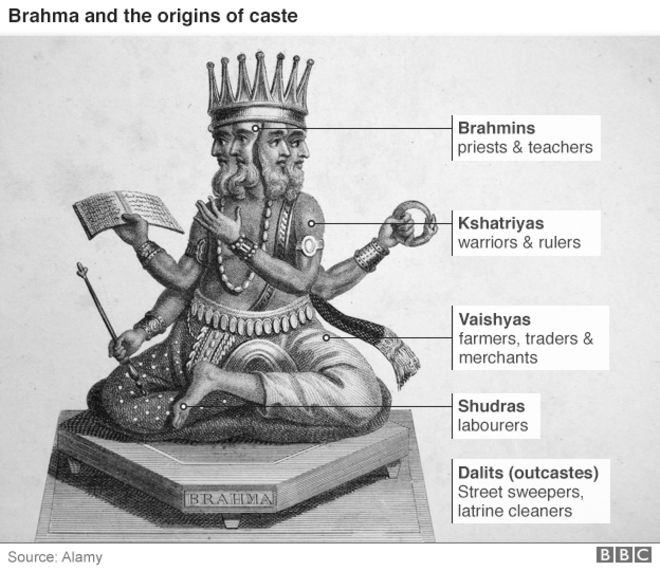
The caste system in India dates back to 1200 BCE. The term caste was first used by Portuguese travelers who came to India in the 16th century. Caste comes from the Spanish and Portuguese word “casta” which means “race”, “breed”, or “lineage”. Many Indians use the term “jati”. There are 3,000 castes and 25,000 subcastes in India, each related to a specific occupation. Works by Tejal Shah from the exhibition ‘Kiss my Genders’ at Haywards Gallery. He has created a photo-fantasy of a lifestyle that the queers in India can only dream of.






 Yash's Blog