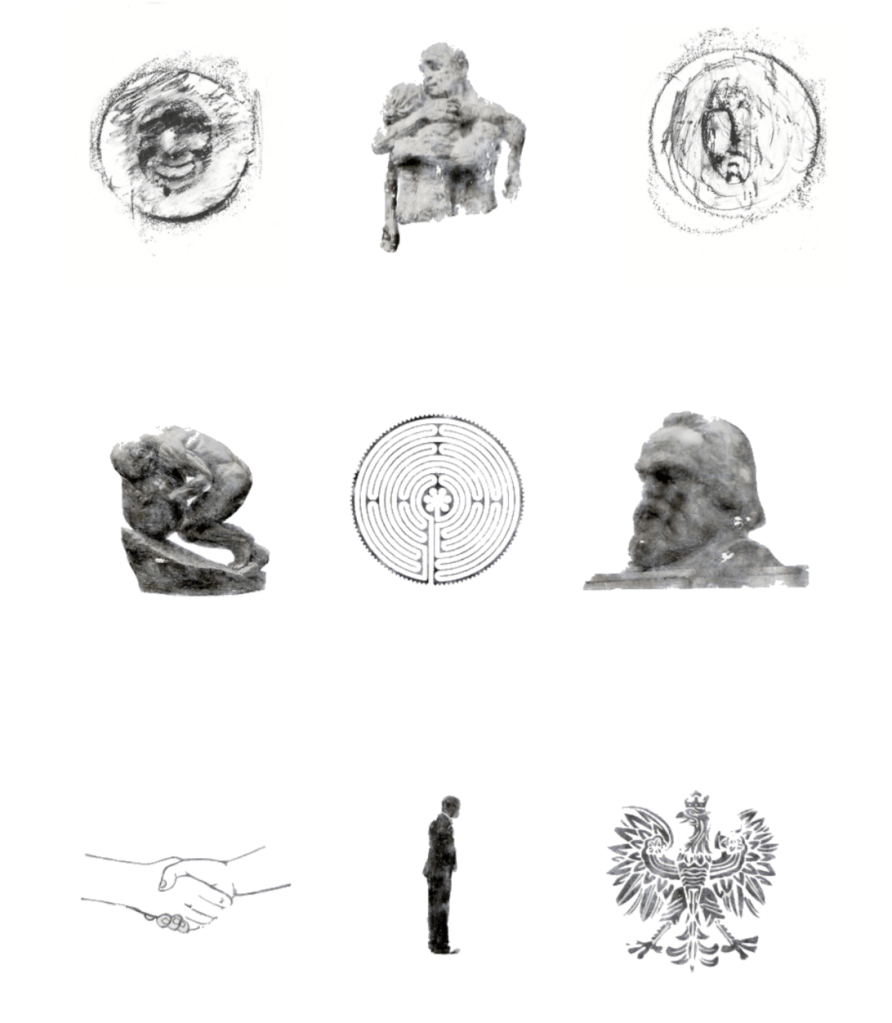
Navigating through a Graveyard
All the worlds a stage
And all the dead were merely players
Tales of tragic love and triumphant conquests
Melpomene and Thalia gleamed in pride
Clinking chalices drinking His blood
Dionysus cried
.
Janus waited at the beginning
Or was it just the end
Sisyphus reaped what he sowed
A classic tale or a cycle of eternity
Laborious and futile
Just like the present
.
A labyrinth of journeys
Millions travel everyday
Red thread of fate
They follow to their grave
Man’s search for purpose
A handful of words
.
Father
Son
Wife
Child
Loving Mother
.
Artist
Teacher
Refugee
Leader
Meaning of their lives
.
They clasped their hands
Adieu and Welcome
Friends and family
Brothers and Sisters
Hark! The Phoenix cried
And soared the skies above
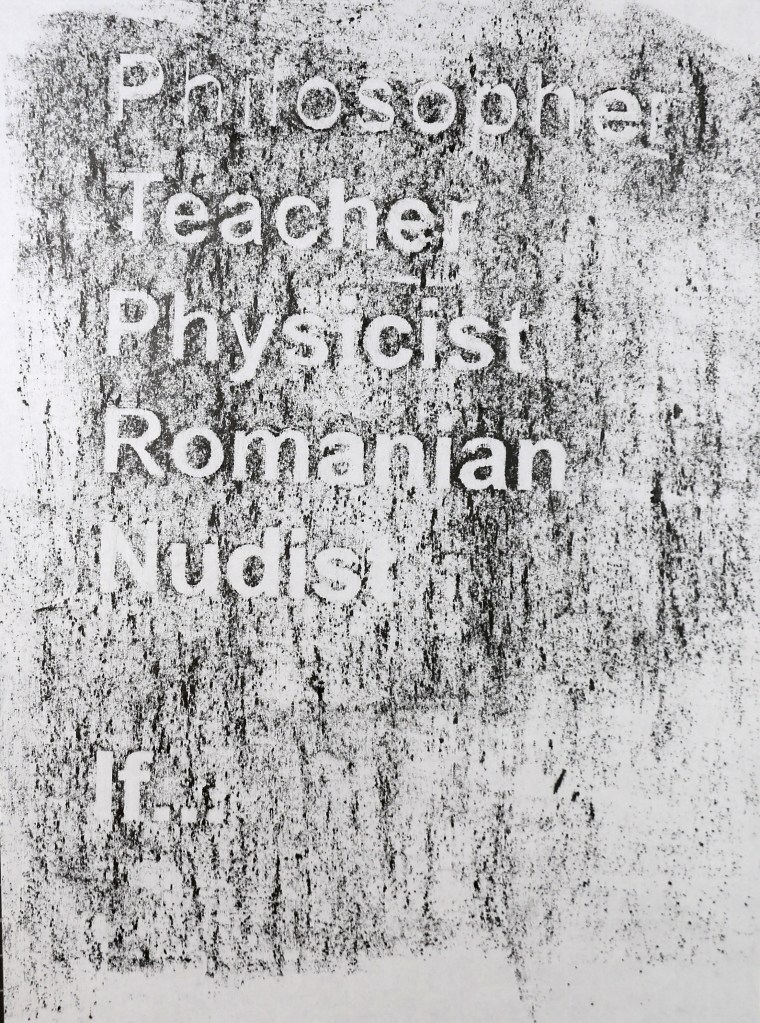
The piece of writing above is inspired by my sites of investigation, The Highgate Cemetery and the Brompton Cemetery. It deals with a range of different elements that I discovered in both the graveyards and the text is also synonymous to life, death and the journey in between. The poem is also a response the final piece I created for the Navigators project.
This piece was used to explore the universal spiritual journey experienced by man as he reaches the inevitable destination of death. The project raised fundamental questions about man’s search for purpose during this universal journey. Multiple dimensions of this project explored Victor Frankl’s timeless thesis, “The greatest task for any person is to find meaning in his or her life.”[1]
My first experience of the universal journey experienced by man, came in the form of Mark Wallinger’s ‘Labyrinths’.[2] Historically, a labyrinth is also a metaphor for the spiritual journey to the center of your deepest self and back out into the world with a broadened understanding of who you are.[3] It has a unicursal path with the same entrance and exit which is synonymous to the meandering but purposeful journey of life and death. Wallinger’s labyrinth raised fundamental questions about purpose. The labyrinth represents the different journeys that man goes through to find purpose in his life to arrive at the same destination.
While creating
frottages in my investigative site, I couldn’t help but notice the words on the
gravestones. These
words encapsulate how the subject has spent his life defining himself and his
purpose. They are the physical embodiment of impact left behind on the
metaphysical world. They paint a perception in the readers mind based on the
roles used to define him; father, son, philosopher, author, artist, just like
characters in a play like Shakespeare mentioned. Interestingly, both Shakespeare and the
labyrinth elude to common ideas on universal exits and entrances and the
journey in between.[4]
[1] Viktor E Frankl, Man’s Search for Meaning (United States: Beacon Press, 1959).
[2] ‘Art on The Underground’, Transport for London (13 February 2013) art.tfl.gov.uk/labyrinth/about/ [Accessed 27October 2019].
[3] ‘The Labyrinth’, Lessons for Living (4 April 2013) lessons4living.com/labyrinth.htm [Accessed 27October 2019].
[4] William Shakespeare, As You Like It (London: S. Gosnell, 1810).
 Yash's Blog