
‘Women, Vessels’ aims to capture how a human being is reduced to an inanimate object whose only task is to bear the burdens the house, society and children. Yet, in Hindu tradition, people deck idols of Goddesses up with jewelry and pray to them for a prosperous future every day.
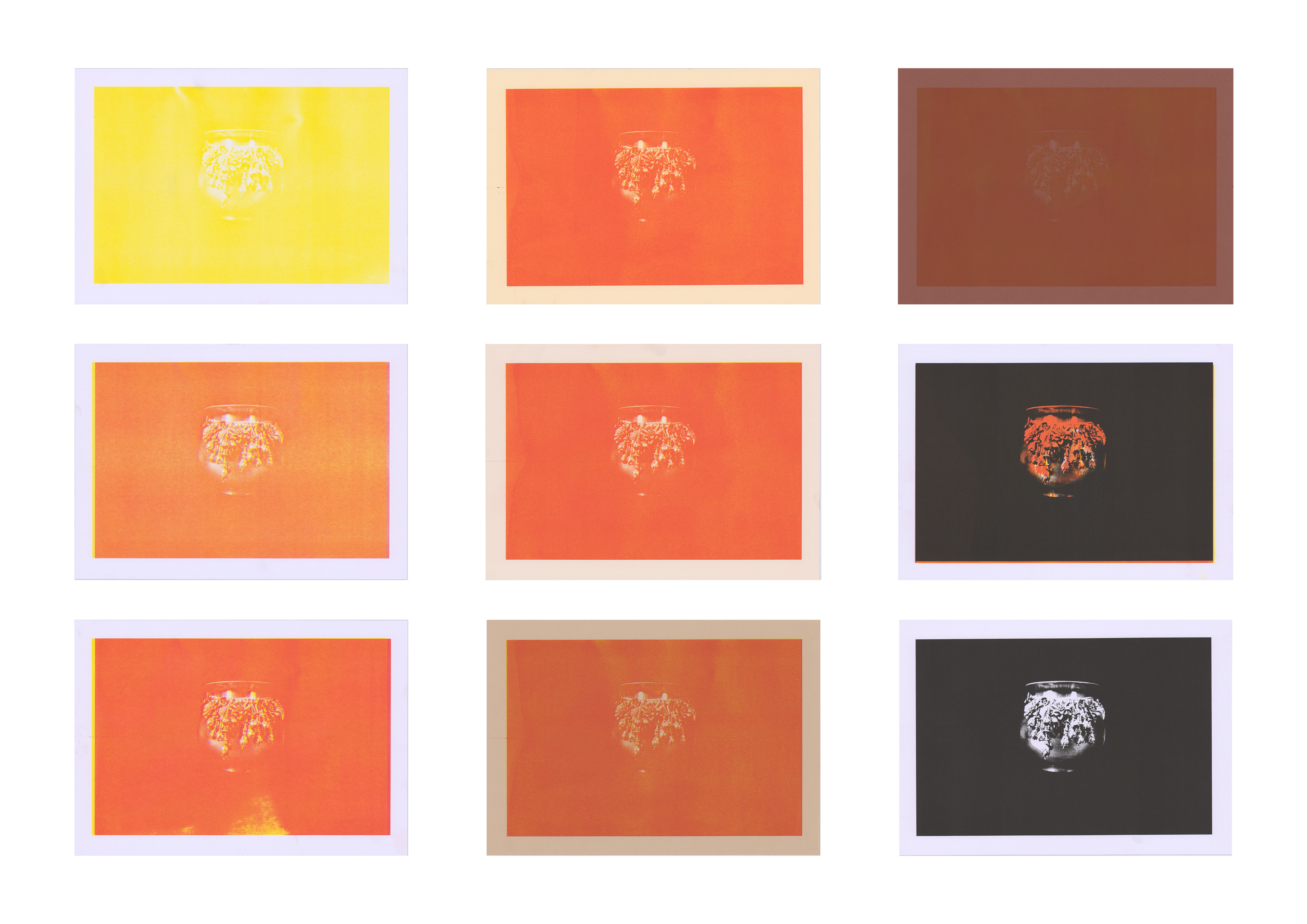
Vessels, Women
Each print is different, like the multicultural women of India, yet we can see how they are viewed in the same light. A vessel.
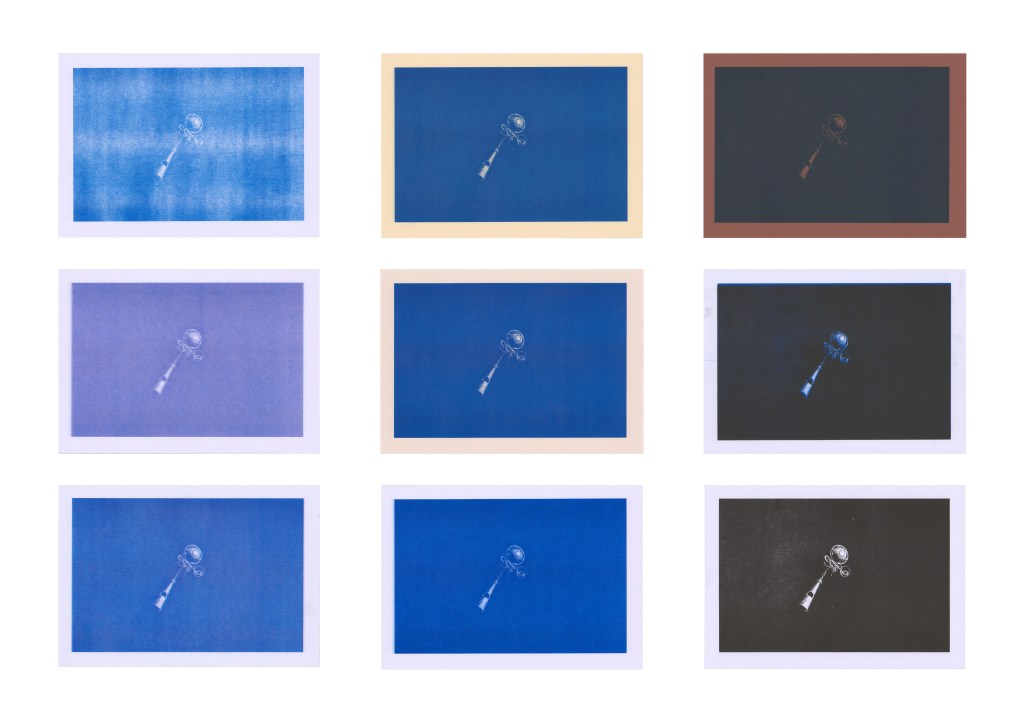
Daughter, Toy
India has one of the highest female foeticide incidents in the world. I wanted to depict how girl childs are viewed in India. A toy, a liability.
In a first ever global study on female infanticide by the Asian Centre for Human Rights, it has been revealed that preference of son over daughter is a major reason for female infanticide in many countries around the world. Dowry system in South Asia, which makes daughters “an unaffordable economic burden”, also contributes to female infanticide.
The following is an extract taken from this report which encapsulates the gravity of the situation.
Unofficial estimates made by independent research study of 2004 “Abortion Assessment Project – India (AAPI)” coordinated by CEHAT, Mumbai and Healthwatch, Delhi estimated a staggering 6.4 million abortions taking place annually in India. Of these, 1.6 million abortions i.e. 25% were performed by informal (traditional and/or medically non-qualified) abortion providers. The Population Research Institute states that at least 12,771,043 sex selective abortions had taken place in India in the years between 2000 and 2014. The yearly average of sex selective abortion is 851,403 or daily average of 2,332.185. http://www.indiaenvironmentportal.org.in/files/file/Femalefoeticideworldwide.pdf
Even literate people in my society and family cry when they have a girl child. There is no festivities, no celebration. Darkness looms like a cloud when a child is born in a house who doesn’t want her. They go to temples and pray to the Goddess of fertility for a son.
 Yash's Blog