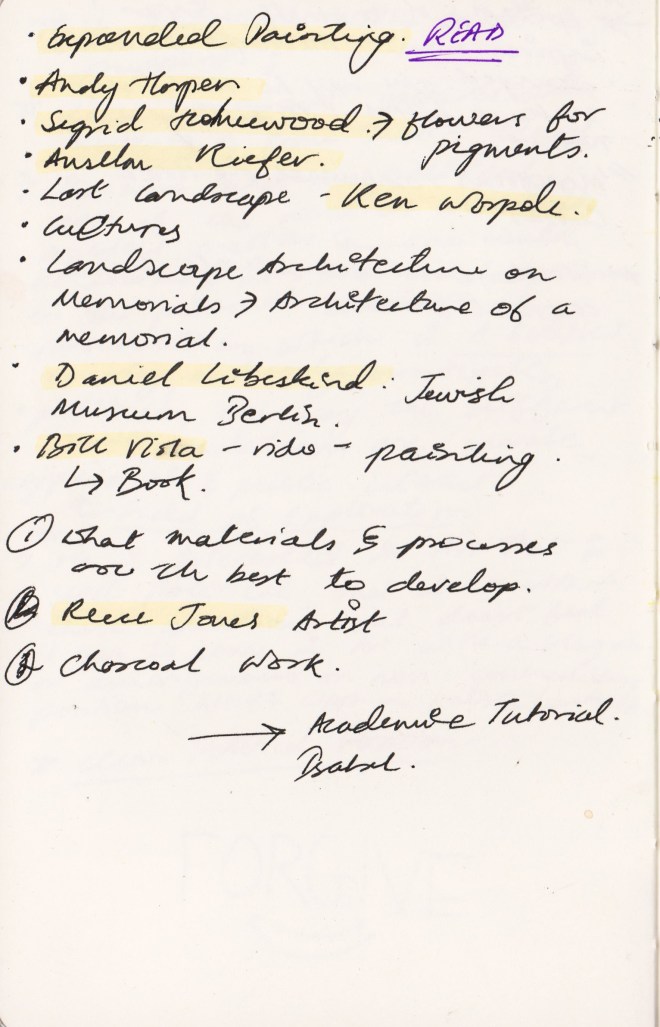
The tutorials throughout the Investigation Project shaped a lot of my decisions for the final works. Post the Academic tutorial with Isabel I looked into all the references she gave me and these findings were incorporated into my further investigation.
Notion of Expanded Paintings in Sigrid Holmwood’s works
‘In order to genuinely answer recent calls to expand painting into its networks, one must think painting decolonially. This means that the very notion of what painting is, including representation itself, is up for discussion. The Western European bourgeois tradition will be found to be just one provincial occurrence among many…
… I start by using an elastic definition of painting, broadly based on its material processes – the application of colour in the form pigments on surfaces.
By expanding painting through its materiality, following the network of histories and interactions, and treating the pigments as actors in themselves, one can begin to paint decolonially.’
http://www.sigridholmwood.co.uk/
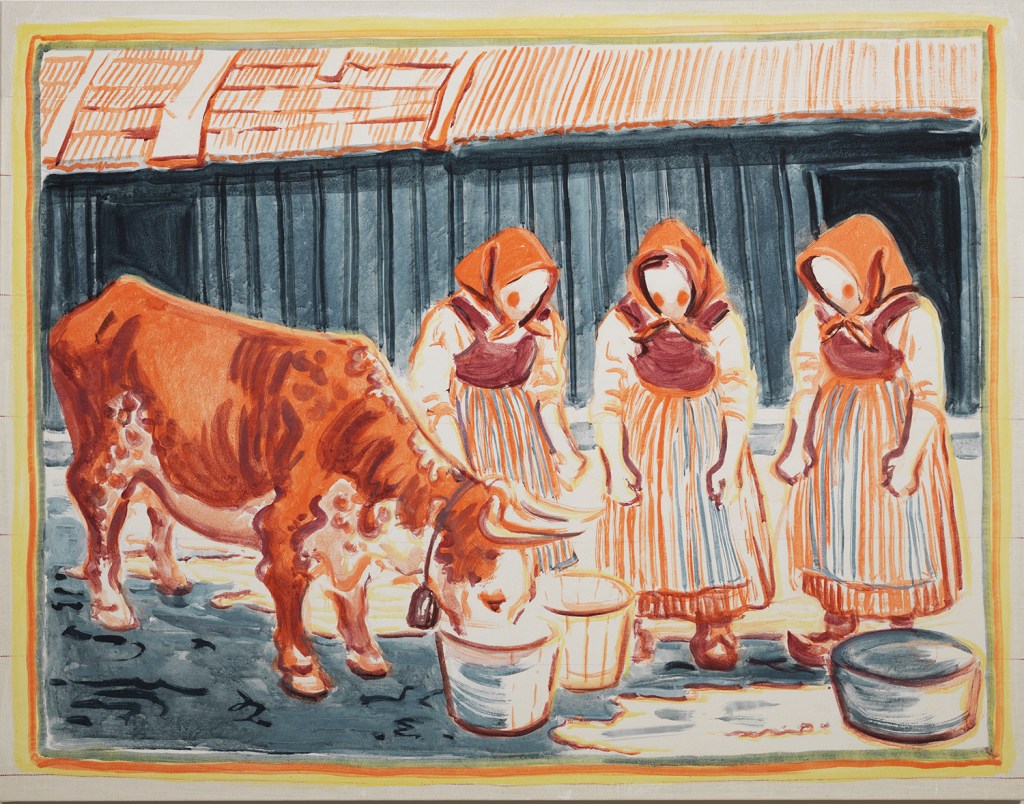
‘Three Women and a Cow’, Sigrid Holmwood, 2013 — Mushroom pigment made from blood red webcaps, chalk, chrome yellow, indigo, and red lead bound in egg on hand woven linen
On looking through her work I found out that Holmwood is an interdisciplinary artist who is not bound by the traditional ‘western’ notions of paint. She is also very true to her subject in her practice in all aspects. She incorporates the act of planting and pigment making into her paintings with the aim to decolonise peasants.
In my future work I aim to incorporate the purpose of materials and processes to stay true to my subject and its history.
Anselm Kiefer
Anselm Kiefers large scale expanded paintings uses mediums ranging from straw, glass, clay, lead, chalk, oil, acrylic and with diverse design processes such as transforming his materials with acid baths and physical blows with sticks and axes.
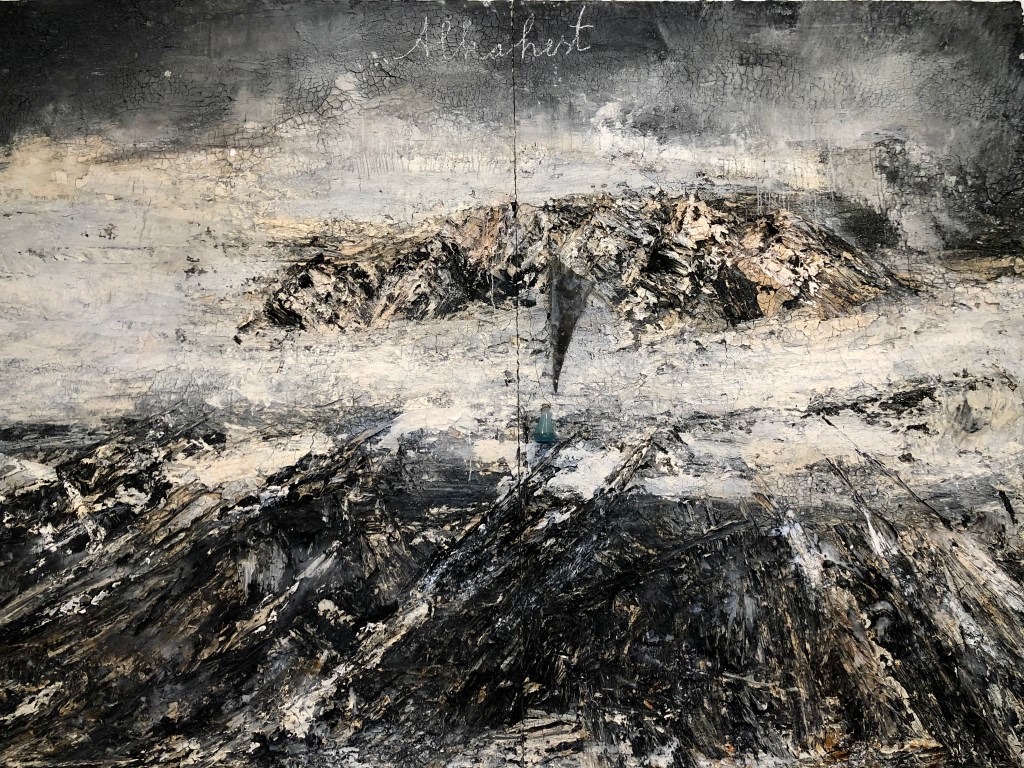
‘Alkahest’, Anselm Kiefer, 2011
On seeing his exhibition, on a trip with the college, I was awestruck. His pieces transported me to places I had never been. The work Alkahest dealt with the subject and process of alchemy.
My aim to incorporate the history of materials into my work further strengthened and my need, to transport people to places and make them see things they had never seen, grew. The idea of creating large scale paintings, something I am very scared to commit to is a challenge I want to overcome.
Daniel Libeskind
He created the architecture of the Jewish Museum in Berlin which exhibits the social, political and cultural history of the Jews in Germany. He narrates the tragic history of the Jews with his design.
‘…The descent leads to three underground axial routes, each of which tells a different story. The first leads to a dead end – the Holocaust Tower. The second leads out of the building and into the Garden of Exile and Emigration, remembering those who were forced to leave Berlin The third and longest, traces a path leading to the Stair of Continuity, then up to the exhibition spaces of the museum, emphasizing the continuum of history.’
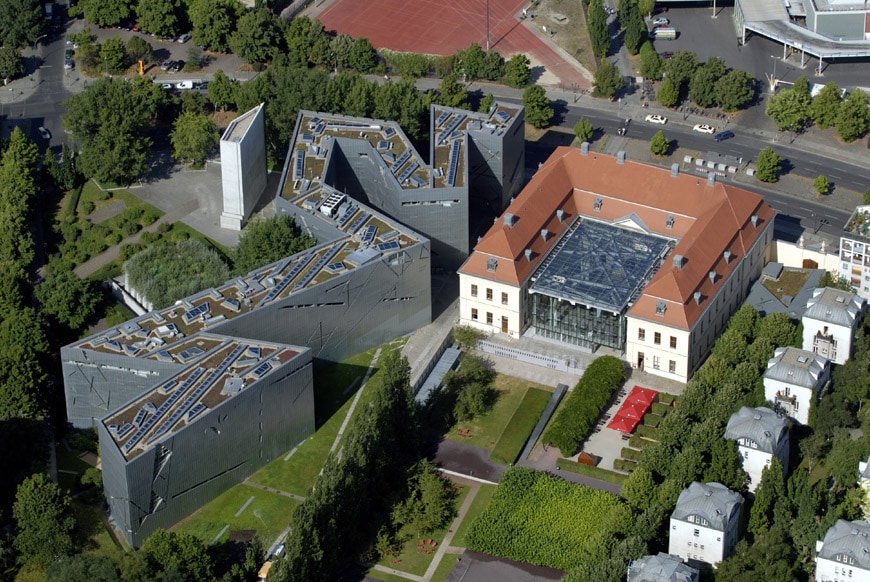
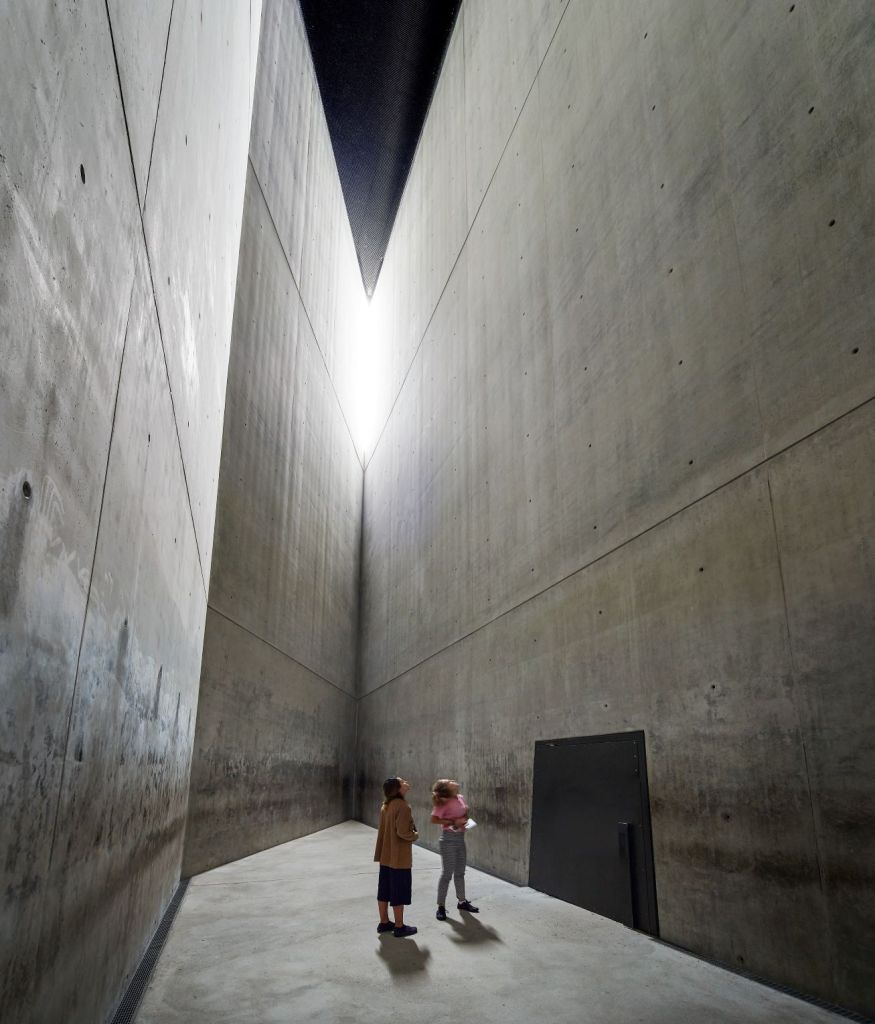
https://libeskind.com/work/jewish-museum-berlin/
This was really interesting to me because my work has historically portrayed authentic narratives of my subjects. I learnt that I needed to situate my work contextually and that I could narrate an incident by incorporating the events in my design.
Reece Jones
What struck me the most about Jones’s work was that it was interdisciplinary without using mixed media. She makes prints, uses watercolours and draws with charcoal. Each medium is separate to one another even though there may be only one subject. She also makes reproductions of the same image changing a little details but keeping the mediums integrity.
Thus here I made a decision of refusing to conform to a specific colour or medium and this liberation from conformity would help me get closer to what I aimed to portray. It also opened me up to the world of prints and reproductions.
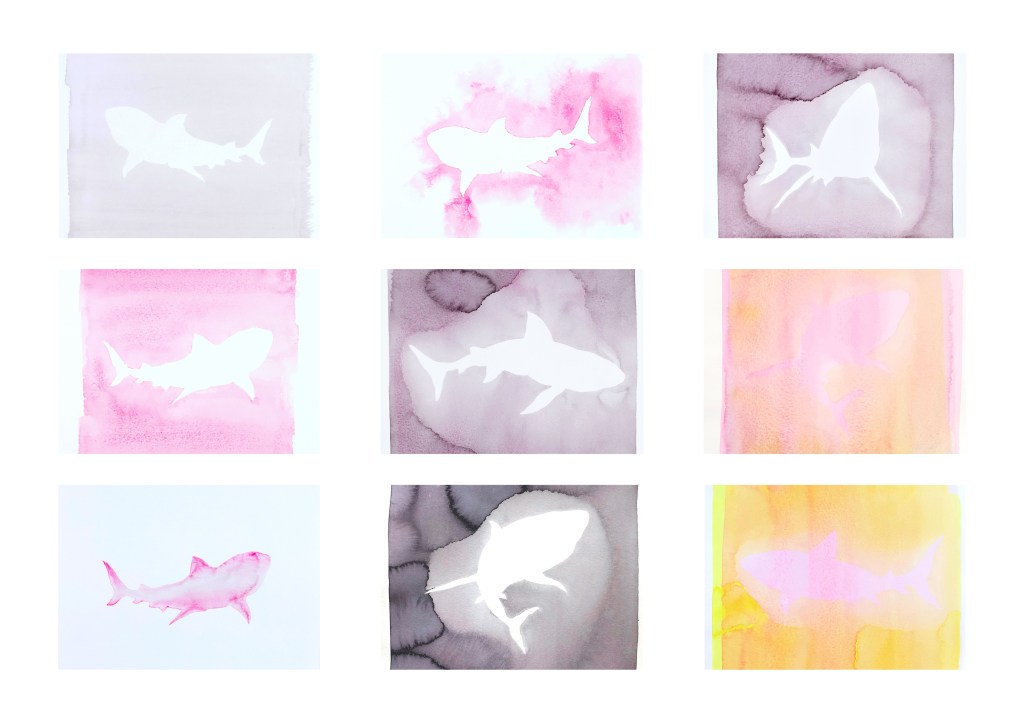
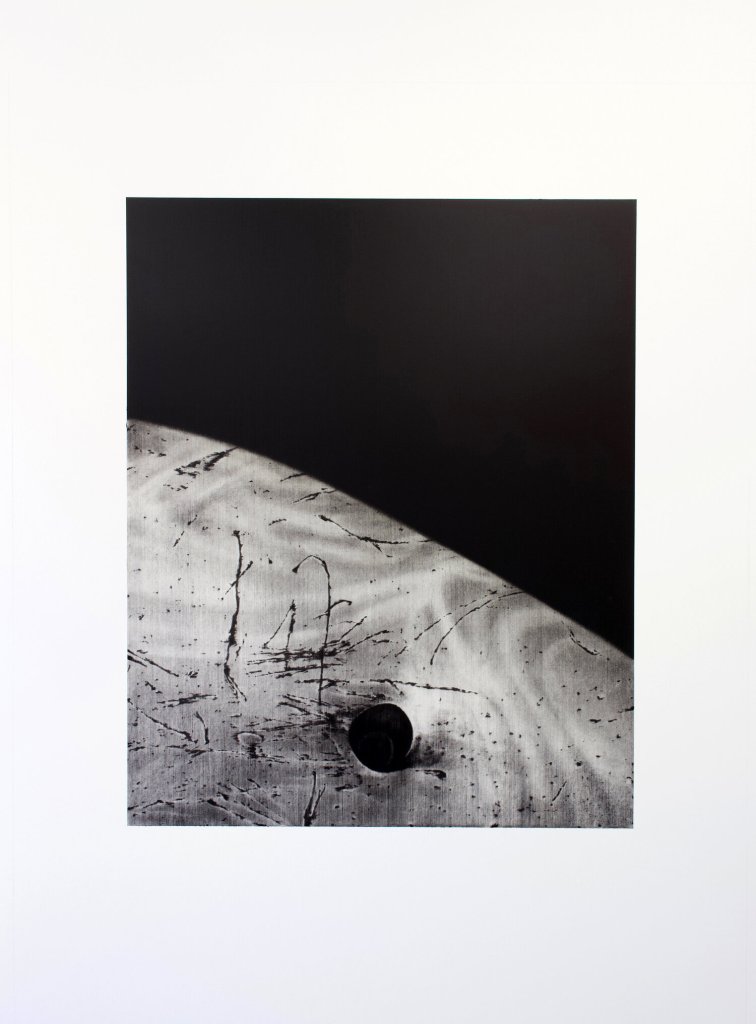
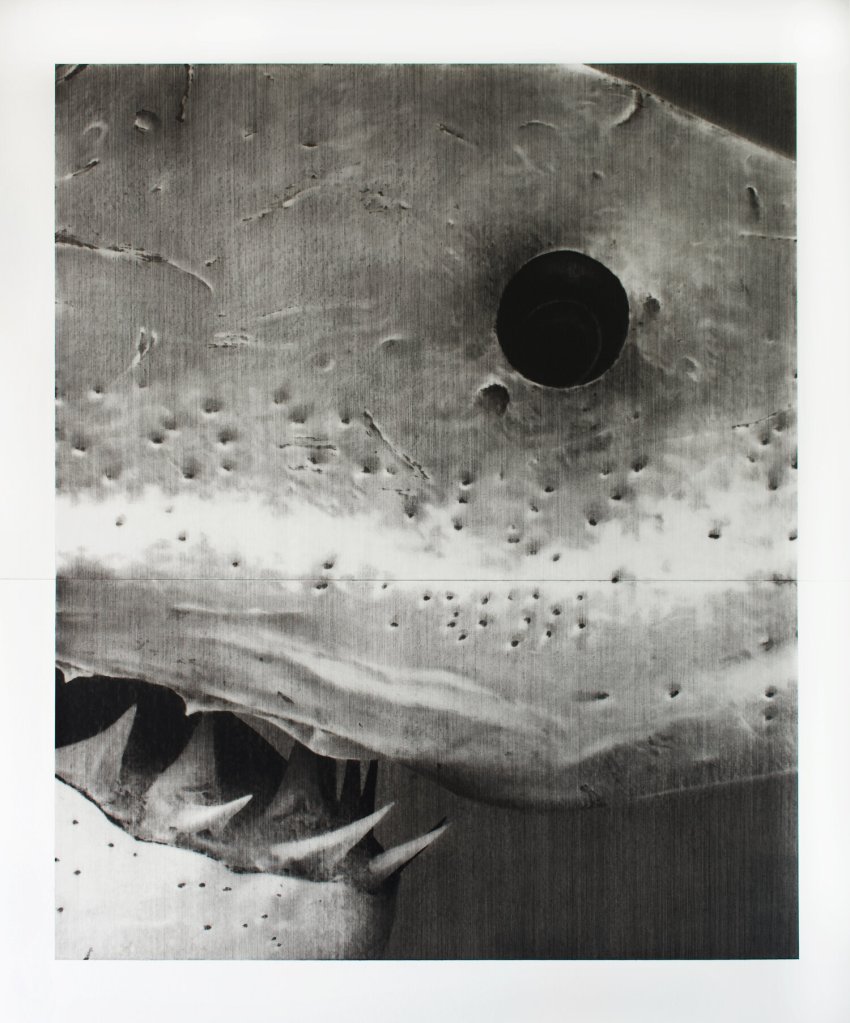
‘The Very Least Of Our Worries’, Reece Jones, 2018
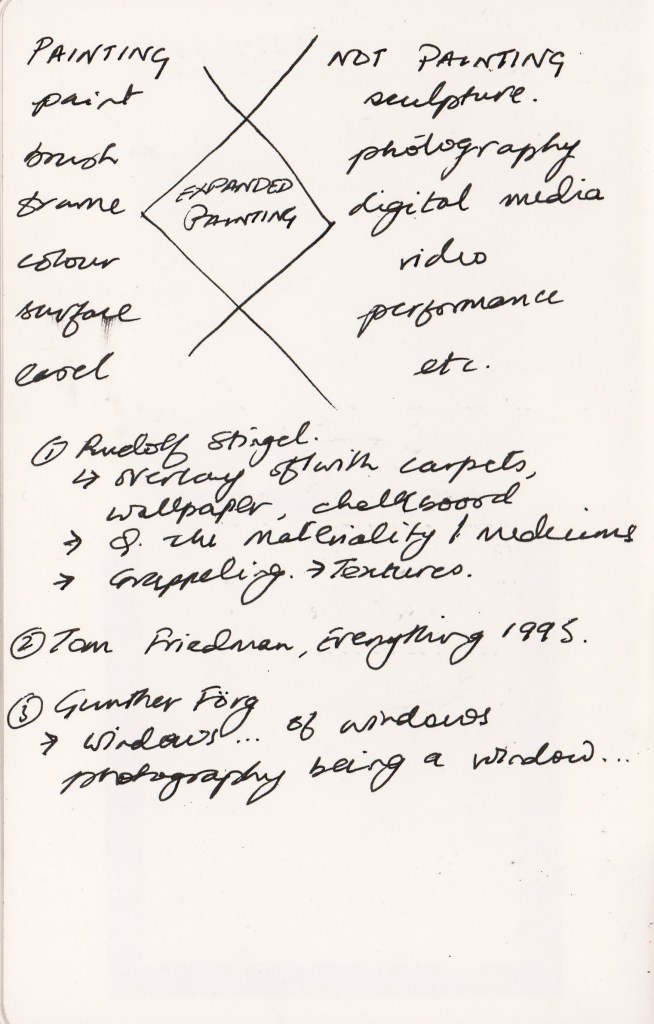
My work has always been interdisciplinary, a cross between photography and painting. The diagram from the book ‘Expanded Painting’ made me stop limiting myself from the box of ‘a cross between photography and painting’ and see how far I can throw the stone and push myself into trying other forms of making art.
 Yash's Blog